Types of Rescue Drones
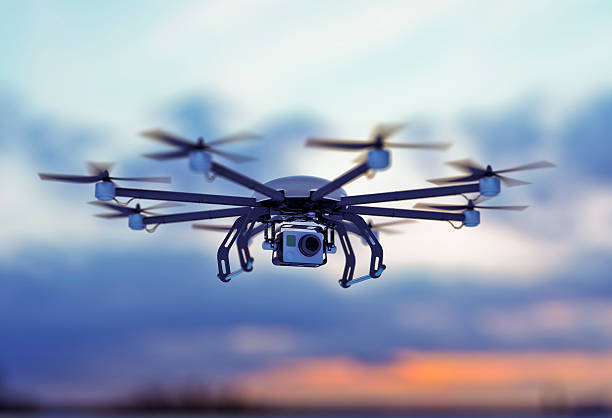
Surveillance Drones
Provide aerial views of disaster areas using high-resolution cameras for real-time assessment.
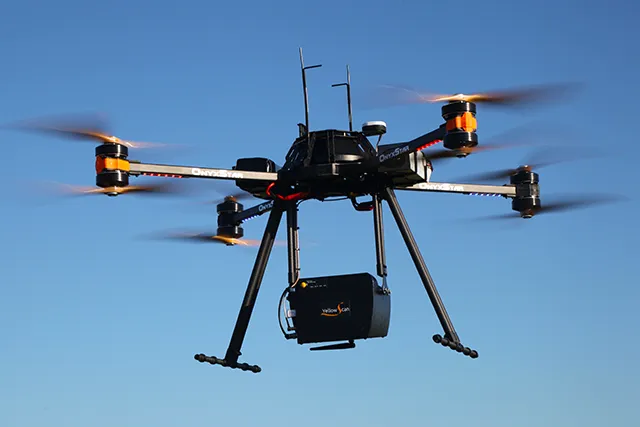
Payload Drones
Transport emergency supplies such as food, medicine, and rescue equipment to remote locations.
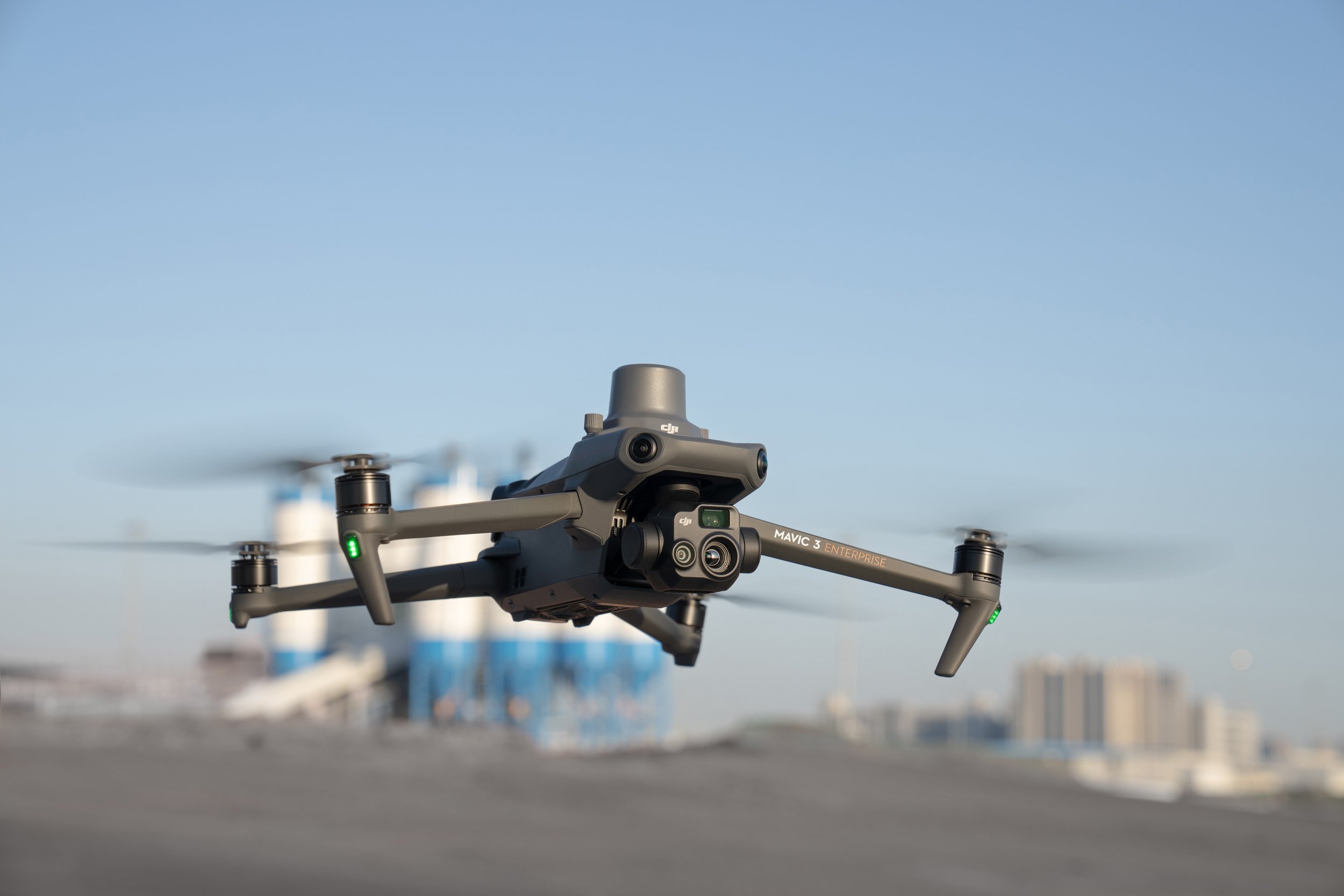
Thermal Imaging Drones
Use heat signatures to detect people during low-visibility operations like night or smoke-filled areas.
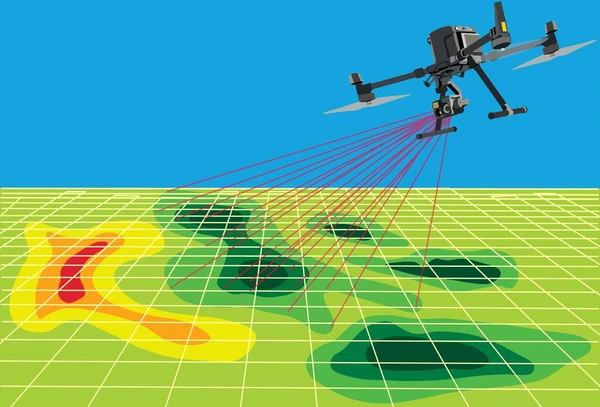
Mapping Drones
Create 2D and 3D maps of affected regions to aid in planning and coordination of rescue missions.
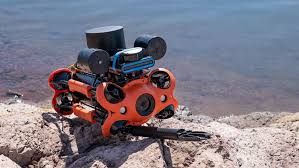
Underwater ROVs
Deployed for underwater inspections and search operations in flooded or submerged areas.
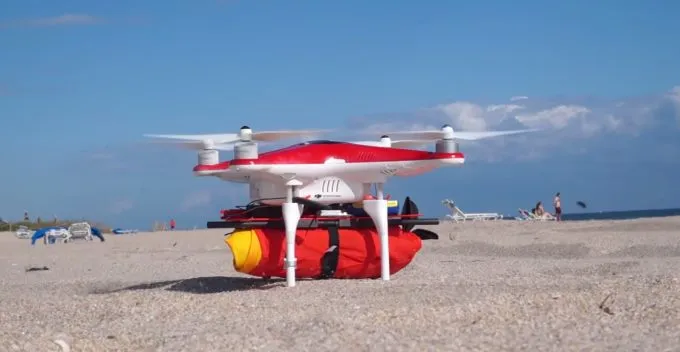
Lifesaving Drones
Carry life-saving equipment like inflatable devices or communication tools to stranded individuals.